XH3005 Social Change and Social Determinants of Health: Community Resources – Sample Presentation
XH3005 Assessment Instructions Summary
The XH3005 Performance Task asks the learner to act as a community health advocate and social change agent by developing an evidence-based plan for a specific population affected by social determinants of health. The final product is an eight- to ten-slide PowerPoint presentation, plus title and reference slides, designed for stakeholders in the healthcare facility or community. The learner begins by summarizing concerns about health quality and equity in the local community and explaining specific professional nursing goals for community health advocacy. A target population is then selected and described using relevant characteristics such as age, language, cultural background, technology access, literacy, or other factors that affect how services should be delivered and communicated.
The core of the assessment requires analysis of the population’s needs using the social determinants of health, including economic stability, education access and quality, healthcare access and quality, neighborhood and built environment, and social and community context. The learner identifies three existing community organizations or services that could respond to the population’s needs and explains the rationale for each selection. Essential access information—such as location, hours, languages, special services, free materials, and online links—should be included. The learner also identifies at least one important missing resource, recommends ways existing services could better meet the population’s needs, and proposes strategies for reaching the group through communication methods appropriate to its characteristics. The presentation concludes with measurable goals for improving health outcomes. Scholarly writing, appropriate APA citations and references, adherence to the slide requirements, and removal of template instructions are expected throughout the completed presentation.
Completed XH3005 Presentation
Concerns About Health Quality and Equity
The Hispanic immigrant population in Houston faces significant barriers in accessing equitable healthcare. A large number of people do not have health coverage and avoid seeking help because of their immigration status. There is a lack of communication because of language differences which results in low utilization of services and manageable health issues (Birkelund et al., 2025). Furthermore, other providers do not have the appropriate cultural understanding to adequately address the needs of this population which affects trust and quality of care (Barrio-Ruiz et al., 2023). These inequalities remain unresolved in our local community and need to be focused on in order to improve equity.
https://www.concorde.edu/blog/tips-dealing-language-barriers-patients

Identifying and Describing the Focus Population
- This project targets low-income hispanic immigrants living in Houston, Texas.
- Age Group: 25 to 64 years
- Majority are Spanish speaking many with undocumented status.
- Often engage in manual, service occupations that pay poorly, devoid of any associated health insurance.
- Struggle with language barriers, low health literacy, and the anxiety of potential deportation (Barrio-Ruiz et al., 2023)..
- Frequently Encounter: diabetes, hypertension, and stress-related disorders

Goals as a Professional Nurse for Social Change
- Advocating for the incorporation of multicultural, two-way immigrant servicing healthcare systems.
- Advocating for the enhancement of interpreter service provisions in public health institutes.
- Collaborating with local firms to integrate culturally relevant health promotion education.
- Encouraging new policies aimed at widening healthcare services to cover uninsured and undocumented patients (Barrio-Ruiz et al., 2023).
https://campaignforaction.org/volunteering-advocating-caring-how-nurses-build-health-in-their-words/

Population Needs Based on Social Determinants of Health
- Health Care Accessibility: Limited insurance and a considerable deficiency of culturally appropriate caregivers.
- Economic Stability: Many are excluded from public benefits like SNAP and Medicaid, making it difficult to afford basic health services and daily needs (Gizaw et al., 2022)
- Informal Education: Health literacy gaps and language barriers inhibit comprehension of care instructions.
- Social Interaction: The combination of fear of discrimination and undocumented status create perpetual stress that hinders participation in the health system.
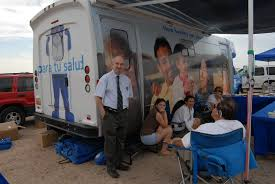
Identifying and Recommending 3 Community Resources
- El Centro de Corazón offers bilingual, affordable primary healthcare access (Gizaw et al., 2022).It also addresses Language, cost, and healthcare access barriers
- Houston Food Bank supports nutrition, SNAP, and benefit enrollment services. It addresses economic insecurity and nutritional needs
- BakerRipley assists immigrants with employment, legal, and housing support. It also Housing, job stability, language, and legal protection
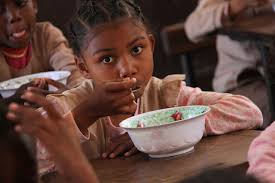
Evidence-Based SDOH Program Recommendation
- Promotores de Salud empowers Hispanic communities through peer education.T
- rained community members deliver health info in Spanish (Finlayson et al., 2025).
- Program builds trust, improves preventive care, increases health access.
- Targets health literacy, language barriers, cultural relevance, and equity.
- Proven outcomes: better screenings, chronic disease management, informed decisions.
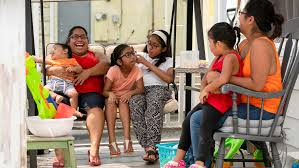
Strategies for Reaching the Population
- Run advertising campaigns in Spanish for Facebook, Instagram, and WhatsApp aimed at engaging and informing the uninsured or undocumented community members (Barrio-Ruiz et al., 2023).
- Work with local pastors and businesspeople as well as other community members to disseminate health-related information and promote service utilization.
- Distribute Spanish posters in churches, marketplaces, bus stations, and community centers with the aim of aiding the visually and intellectually challenged to read and comprehend images and straightforward text.
- Use text messages and WhatsApp to provide appointment and health tip reminders in Spanish and English—an accessible, low-stigma resource valued by the community.
- Facilitate resource fairs with music, food, and childcare to increase advocacy and necessity and decrease stigma around utilizing healthcare services.
https://online.jwu.edu/blog/10-must-have-traits-effective-leadership-healthcare/

Goals for Improving Health Outcomes
- Increase preventive screenings among target population effectively.
- Improve health literacy through culturally tailored education programs.
- Reduce hospital readmissions by ensuring follow-up care.
- Increase service utilization and reduce care access gaps.
- Improve overall population health outcomes in measurable ways.

Need help with this Tempo course?
Get in touch for tutoring and study support.